Beginner Guides
MotoGP Teams Explained: Factory vs Independent Teams
New to MotoGP? We explain the difference between the big-budget Factory teams and the crucial Independent (or Satellite) teams that make up the grid.
Welcome to the Paddock: More Than One Kind of Team
When you first watch a MotoGP race, you see 22 incredible riders on 22 incredible bikes. It’s easy to assume they are all part of one big happy family, all with the same equipment. But if you look a little closer, you’ll see the grid is actually organised into two distinct types of teams. This structure is key to how the sport works.
Understanding the difference between these two types of teams – known as ‘Factory’ and ‘Independent’ teams – will unlock a whole new level of appreciation for the racing. It helps explain why some riders get the newest parts, why some teams are seen as stepping stones for new talent, and how the entire sport is able to field such a competitive grid.
The Factory Teams: The Tip of the Spear
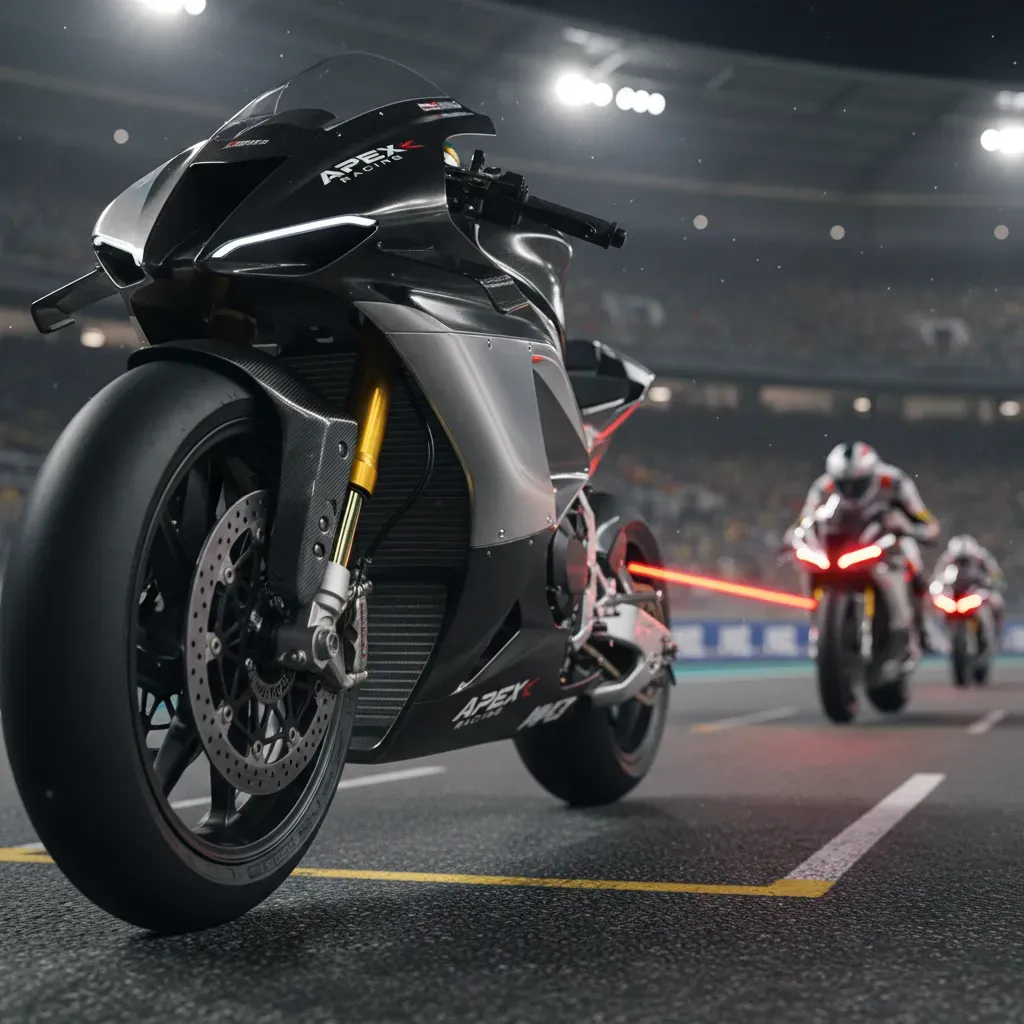
First up, we have the giants of the sport. A Factory team is the official, in-house racing department of a major motorcycle manufacturer. Think of them as the ‘works’ team, representing brands like Ducati, KTM, Aprilia, Yamaha, and Honda directly on the world stage.
These teams design, develop, and build the prototype motorcycles from the ground up. They have the biggest budgets, the most engineers, and direct access to the factory’s research and development. Their sole purpose is to win championships and showcase the peak of their company’s engineering power.
Who Are They and What Do They Get?
The Factory teams are home to the biggest names in the sport. For example, the Ducati Lenovo Team features multi-time world champions like Francesco Bagnaia and Marc Márquez. The Red Bull KTM Factory Racing team has top-tier talent like Brad Binder and the sensational young star Pedro Acosta.
Because they are the main effort, Factory riders are always the first to receive the latest, most cutting-edge technology. If a new engine, a revolutionary aerodynamic wing, or an updated frame is developed back at headquarters, the Factory team gets it first. This constant stream of innovation is their biggest advantage.
Their garages are like Formula 1 Pit laneThe slow lane beside the track where teams work on the bikes and riders enter and exit.Read the full guide → on two wheels, filled with data engineers and specialist mechanics. They are the trendsetters, the innovators, and the teams that everyone else on the grid is trying to beat.
The Independent Teams: The Heart of the Grid
So, if the factories only have a couple of bikes each, where do the rest of the machines on the 22-rider grid come from? This is where the second type of team comes in: the Independent team, which you might also hear called a Satellite team.
An Independent team is a privately owned and operated racing outfit that forms a partnership with one of the factories. Instead of building their own motorcycle, they lease the bikes, engines, and technical support from a manufacturer. For example, teams like Gresini Racing and Pertamina Enduro VR46 are Independent teams that currently lease bikes from Ducati.
This relationship is hugely important. These teams are customers of the factories, paying for a package that includes the motorcycles and a certain level of technical assistance throughout the season.
Are They Just ‘B-Teams’? Absolutely Not.
It’s a common mistake to think of Independent teams as second-rate. While they often use machinery that is one year older than the latest Factory bike, the technology is still incredibly advanced. The level of competition in MotoGP is so high that these teams are not just making up the numbers; they are frequently fighting for podiums and race wins.
Independent teams play a vital role in the MotoGP ecosystem. They are the perfect place for talented riders to enter the premier class and learn the ropes without the immense pressure of a Factory ride. They provide the factories with invaluable data from their extra bikes on track, which helps speed up development for everyone.
A victory for an Independent team is one of the most celebrated events in the PaddockThe fenced-off working area behind the pits where teams, hospitality and motorhomes are based.Read the full guide →. It’s a classic underdog story, proving that a well-run team with a talented rider can take on the manufacturing giants and win, making the entire sport more exciting and unpredictable.

Why This Two-Tier System Works
This structure is a win-win for everyone involved. The factories get to see their machines filling the grid, gathering more data, and developing future champion riders. The Independent teams get to compete at the highest level of motorcycle racing without the astronomical cost of developing a bike from scratch.
And for us, the fans, it creates a full, deep, and fascinating grid. It gives us more storylines to follow, more riders to cheer for, and the thrilling possibility that on any given Sunday, a smaller team can rise to the occasion and beat the very factory that supplies their bikes. It’s a perfect blend of corporate might and independent spirit, which is what makes MotoGP so special.
Quick Takeaways
- Factory Teams are the official racing departments of manufacturers like Ducati and KTM. They build the bikes and get the newest technology and biggest budgets first.
- Independent (or Satellite) Teams are private outfits that lease motorcycles and support from the factories. They are customers of the manufacturers.
- This system allows for a larger, 22-rider grid. Independent teams are crucial for developing new talent and gathering extra data for the factories.
- Independent teams are highly competitive and often win races, proving the incredible depth of talent and technology throughout the entire MotoGP field.