Jargon Buster
What is Slipstreaming in MotoGP?
Learn what slipstreaming (or ‘getting a tow’) is in MotoGP. We explain how riders use this high-speed tactic to gain speed and overtake on the straights.
Ever see one MotoGP bike suddenly rocket past another on a long straight? It looks like they’ve hit a secret turbo button. That’s not magic, it’s physics. It’s called slipstreaming.
This thrilling, high-speed game of chess is one of the most exciting parts of Grand Prix racing. It’s a simple concept that requires immense bravery and perfect timing to pull off when you’re travelling at over 220 miles per hour (350 kph).
So, What Exactly Is Slipstreaming?
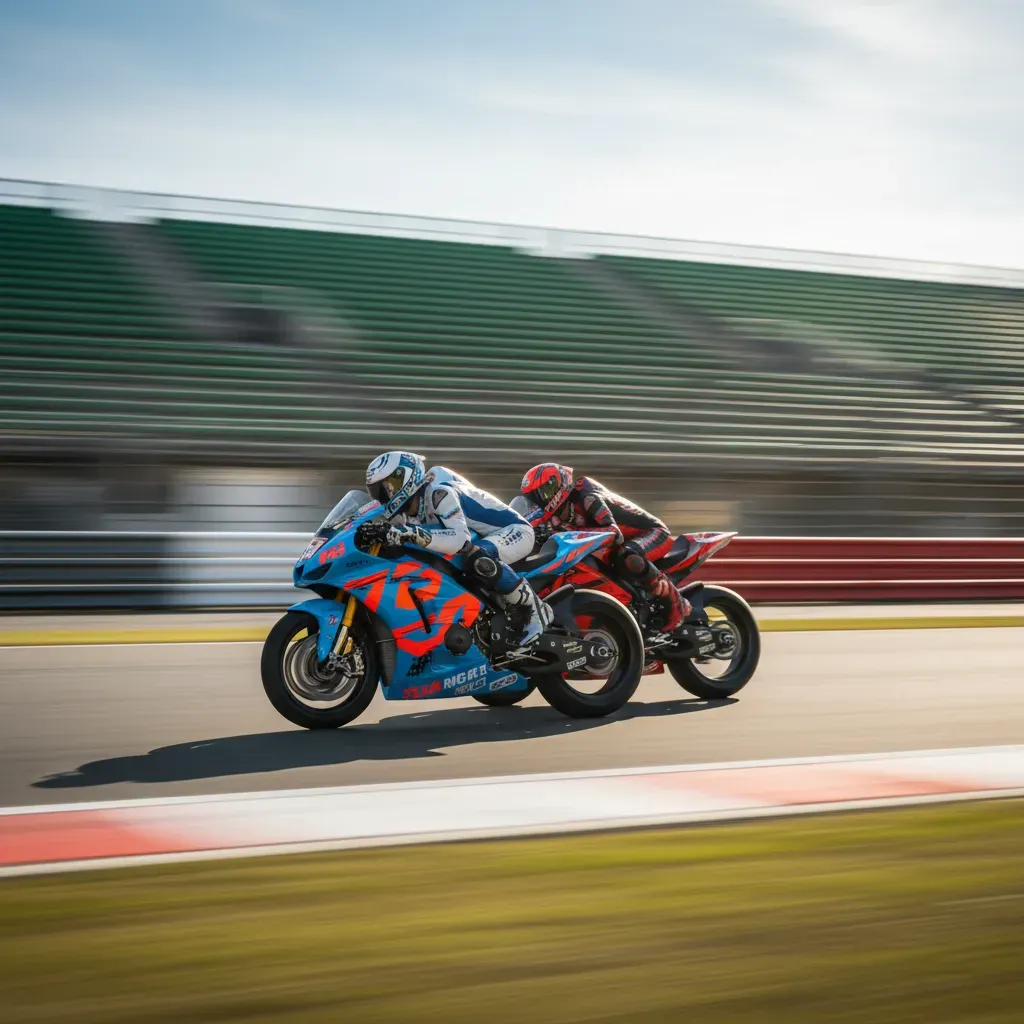
Slipstreaming (or ‘getting a tow’) is using the low-pressure air pocket behind another motorcycle to gain a speed boost. Think of a MotoGP bike at full speed as a giant fist punching a hole through the air. The air doesn’t just disappear; it has to move around the bike and rider, creating a pocket of disturbed, lower-resistance air directly behind them.
For a rider following closely, tucking into this pocket is like getting a free ride. Their bike doesn’t have to work as hard to fight against the wind resistance, which is incredibly strong at racing speeds. With the engine using less energy to cut through the air, more of its power goes directly into making the bike go faster. The result is a significant speed advantage over the rider in front.
Why It’s a Key Overtaking Tool
At the elite level of MotoGP, the bikes are incredibly closely matched. Finding even a tiny advantage can be the difference between winning and losing. Slipstreaming provides that advantage, but only in specific situations: long, fast straights.
Tracks like Mugello in Italy, with its monster 1.1km main straight, are famous for slipstream battles. A rider might be a few bike lengths behind coming out of the final corner, but by tucking in perfectly behind the leader, they can get ‘sucked’ along in their wake. They gain speed rapidly, allowing them to pull alongside just as they approach the braking zone for Turn 1.
The Art and Danger of the Tow
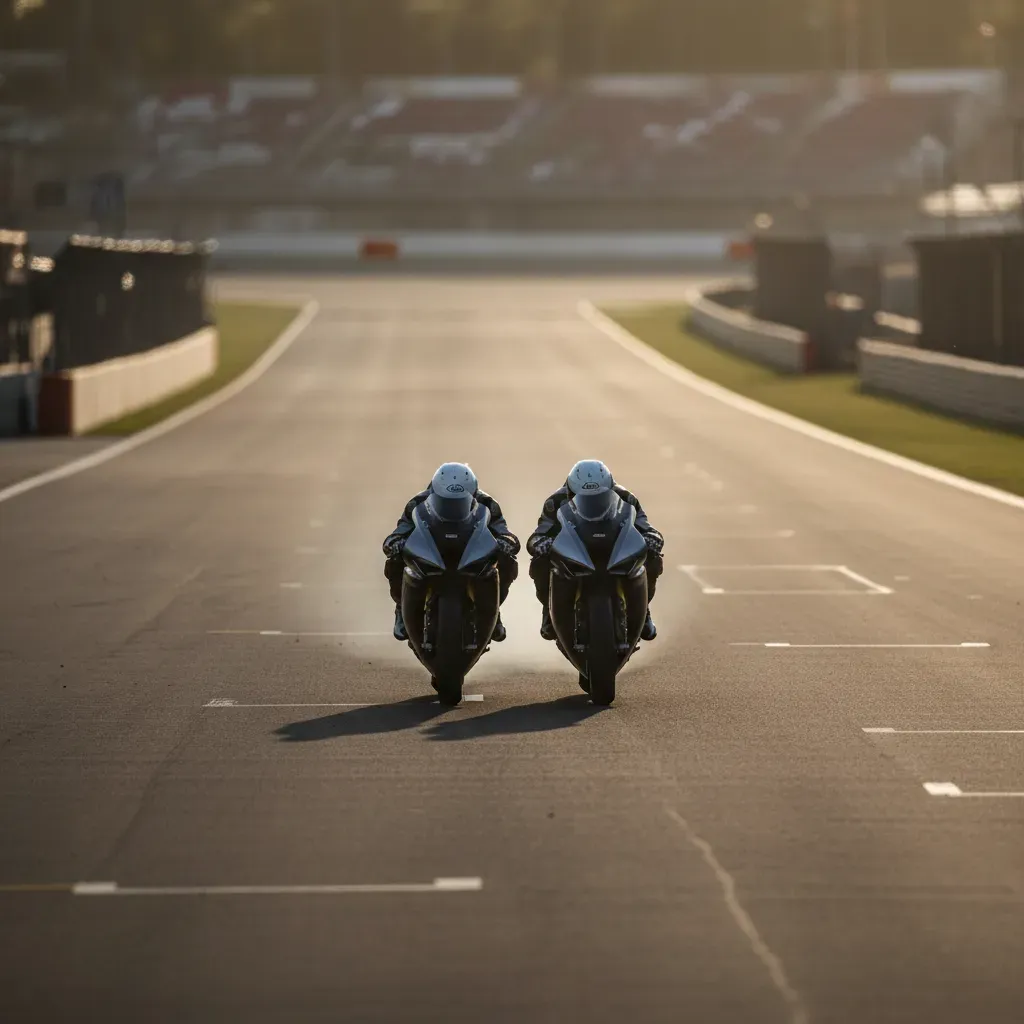
Slipstreaming isn’t as simple as just following the bike in front. It’s a calculated risk that demands incredible skill and nerve. The rider has to get breathtakingly close to the motorcycle ahead, leaving absolutely no room for error.
Timing is everything. The rider needs to decide the perfect moment to pull out from behind the lead bike. Pull out too early, and they hit the ‘wall’ of air, losing their speed advantage before they can complete the pass. Pull out too late, and they run out of track before the corner arrives, forcing them to brake and abandon the move.
Furthermore, the air in the slipstream isn’t clean and smooth. It’s turbulent, messy air, often called ‘dirty air’. This can make the front of the bike feel light and unstable, affecting its handling and braking performance. Riders have to manage this unpredictable behaviour while preparing for one of the most intense parts of a lap: braking from top speed into a tight corner.
More Than Just a Race Tactic
While we most often see dramatic slipstream overtakes on race day, the tactic is also crucial during QualifyingThe timed sessions that set the starting order, split into Q1 and Q2 for the front rows.Read the full guide →. In qualifying sessions, riders are trying to set the fastest single lap time possible to get a good starting position for the race.
You will often see riders looking for a ‘tow’ from a faster rival. By following another rider and using their slipstream on the straights, they can shave vital tenths of a second off their lap time. It’s a strategic game, as nobody wants to give their rivals an advantage, leading to riders slowing down and waiting for others to pass so they can grab a tow.
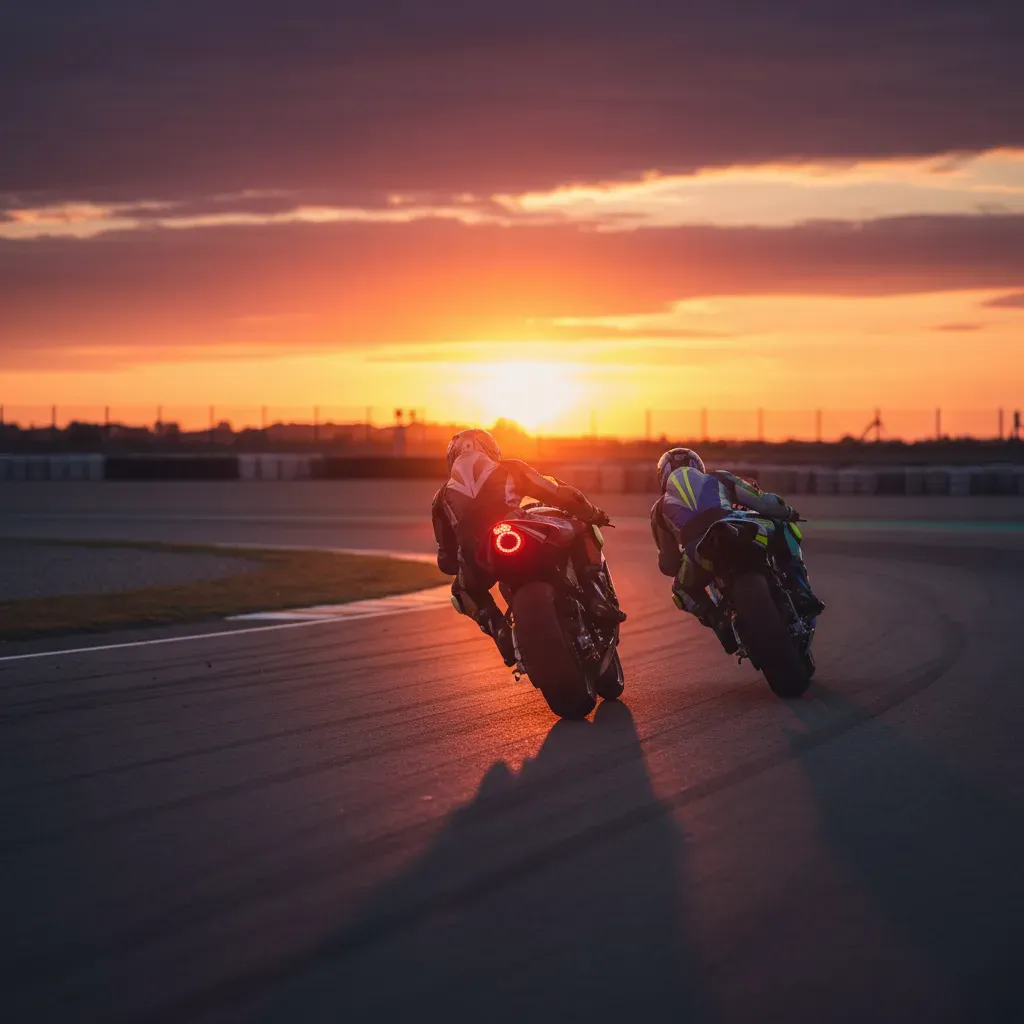
Next time you watch a MotoGP race, keep your eyes glued to the bikes on the longest straight. Watch for a rider tucking in, getting closer and closer, before slingshotting out at the last second. It’s not a turbo boost; it’s a rider mastering the invisible force of the air around them.
Quick Takeaways
- What it is: Slipstreaming (or ‘getting a tow’) is riding in the low-pressure air pocket behind another bike to reduce wind resistance and gain a speed boost.
- How it works: The bike in front punches a hole in the air. The rider behind uses less engine power to fight the wind, so they can go faster.
- Why it matters: It’s a critical tactic for overtaking on long straights and for setting faster lap times in qualifying.
- It’s a skill: Executing a perfect slipstream pass requires immense bravery, skill, and precise timing to pull out at the right moment.