Jargon Buster
How Do You Get Pole Position in MotoGP?
What is pole position in MotoGP? Our jargon-free guide explains how riders earn the P1 grid spot in qualifying and why it’s the best place to start a race.
What’s the Best Seat in the House?
Before a MotoGP race begins, you’ll see 22 of the world’s best riders line up on a painted grid on the start/finish straight. But they aren’t organised randomly. The rider at the very front, in the number one spot, is in a special position they fought hard for the day before.
This prime piece of tarmac is called ‘pole position’, and it’s the most desirable place to start the race.
The Jargon Buster: Pole Position
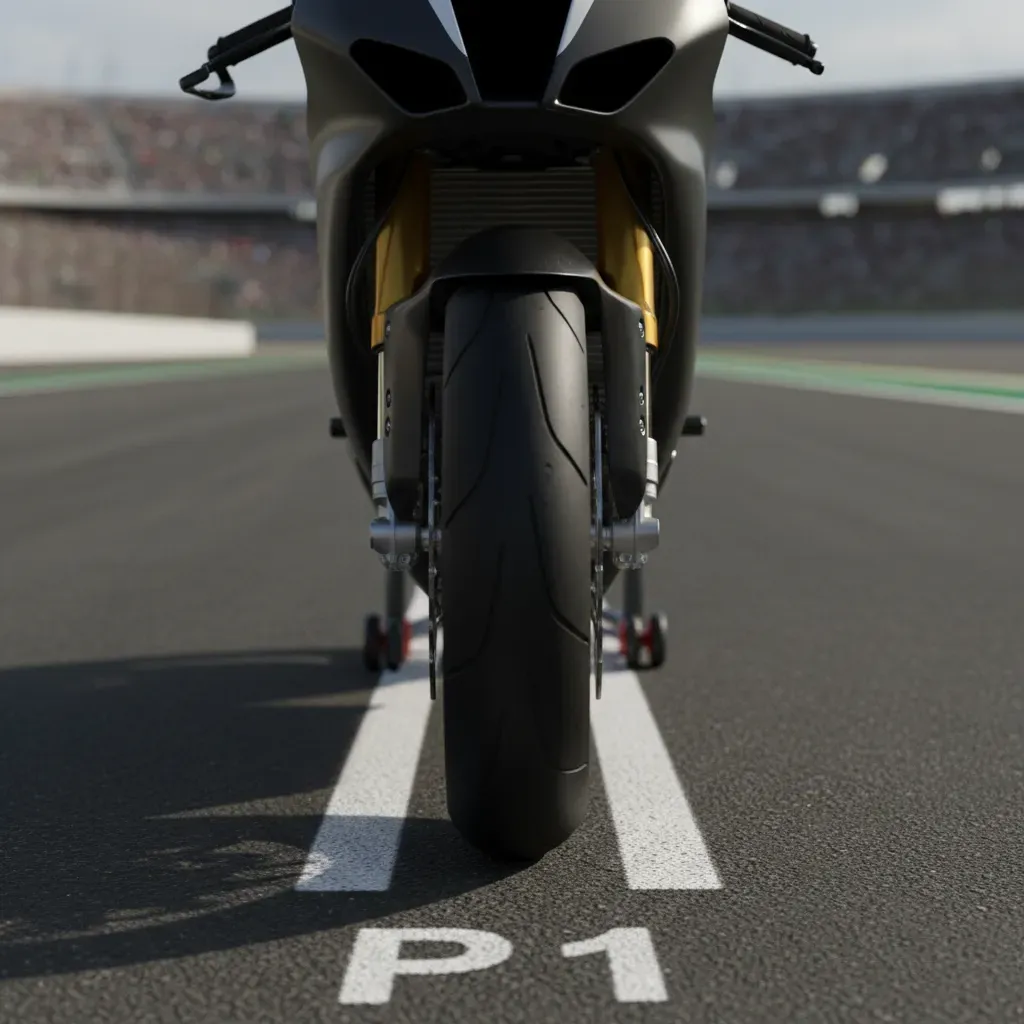
Pole Position is the very first spot on the starting grid, awarded to the rider who sets the fastest single lap time during Saturday’s final QualifyingThe timed sessions that set the starting order, split into Q1 and Q2 for the front rows.Read the full guide → session.
Think of it as a prize for being the quickest rider over one perfect lap. It gives that rider a clear, unobstructed view into the first corner, a massive advantage when the lights go out on Sunday.
How is Pole Position Earned?
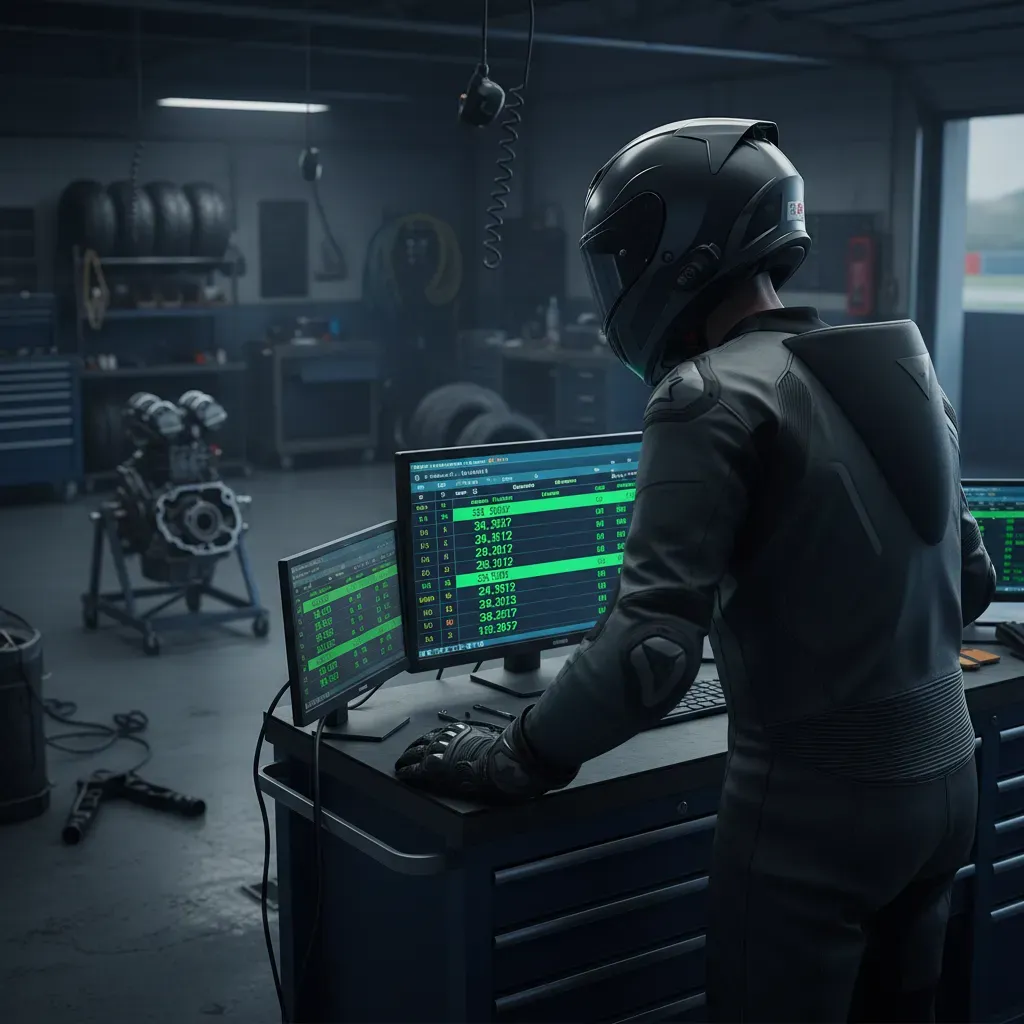
Pole position isn’t given away; it’s earned in a high-pressure shootout on Saturday called Qualifying. A MotoGP race weekend is organised into different sessions: PracticeSessions before qualifying where riders set up the bike; the combined times decide who goes straight to Q2.Read the full guide → on Friday, Qualifying on Saturday, and the Races on Sunday.
Qualifying is all about pure, raw speed. Riders aren’t racing each other wheel-to-wheel. Instead, they are racing the clock to set the fastest possible lap time around the circuit.
The Q1 and Q2 Shootout
Qualifying is split into two parts: Qualifying 1 (Q1) and Qualifying 2 (Q2). Based on their lap times in Friday’s practice sessions, the ten fastest riders get a direct ticket into Q2. Everyone else has to fight it out in Q1, with only the top two from that session getting to advance.
This means Q2 is the main event: a thrilling 15-minute session where the 12 fastest riders of the weekend push their bikes, their tyres, and themselves to the absolute limit. The rider who sets the single fastest lap during this session is crowned the ‘polesitter’ and earns that coveted P1 spot on the grid for both the Saturday Sprint raceA short Saturday race over half the distance, awarding points to the top nine finishers.Read the full guide → and the main Sunday Grand Prix.
Why Does Pole Position Matter So Much?
Starting from the front of the grid is a huge advantage for several key reasons. It’s about more than just being a few metres ahead of everyone else.
A Clear Path Ahead
The start of a MotoGP race is chaotic. Twenty-two 300-horsepower machines all launch towards the same, often narrow, first corner. Starting from pole means the rider has ‘clean air’ – no other bikes in front of them to block their path or cause unpredictable air turbulence. They can pick their favourite line into the corner and focus solely on getting away perfectly.
A Psychological Advantage
Securing pole position is a powerful statement. It tells every other rider on the grid that you were the fastest when it counted. The polesitter knows they have the ultimate one-lap pace, which is a massive confidence boost heading into the race.
Track Position is King
On some circuits, overtaking is extremely difficult. Imagine a tight, twisty track like Germany’s Sachsenring. It’s like trying to overtake in a supermarket aisle. On tracks like this, starting from the front is critical.
A rider who masters that circuit will do everything possible to secure pole position. It gives them the best chance to lead from the front, control the pace of the race, and stay out of trouble. While it doesn’t guarantee a win, it makes the job a lot easier.
Is Pole Position a Guaranteed Win?
Absolutely not, and that’s what makes racing so exciting! A Grand Prix is long, and being the fastest over one lap doesn’t always mean you’ll be the fastest over 25 laps.
Factors like tyre management (how a rider looks after their tyres to maintain grip), race craft (the skill of overtaking and defending), and simple mistakes can all change the outcome. A rider can get a perfect pole position and then have a bad start, getting swallowed by the pack before the first corner.
However, pole position is still one of the most prestigious achievements of a race weekend. It’s a pure test of speed, bravery, and perfection, and it sets the stage for all the drama to come on Sunday.
Quick Takeaways
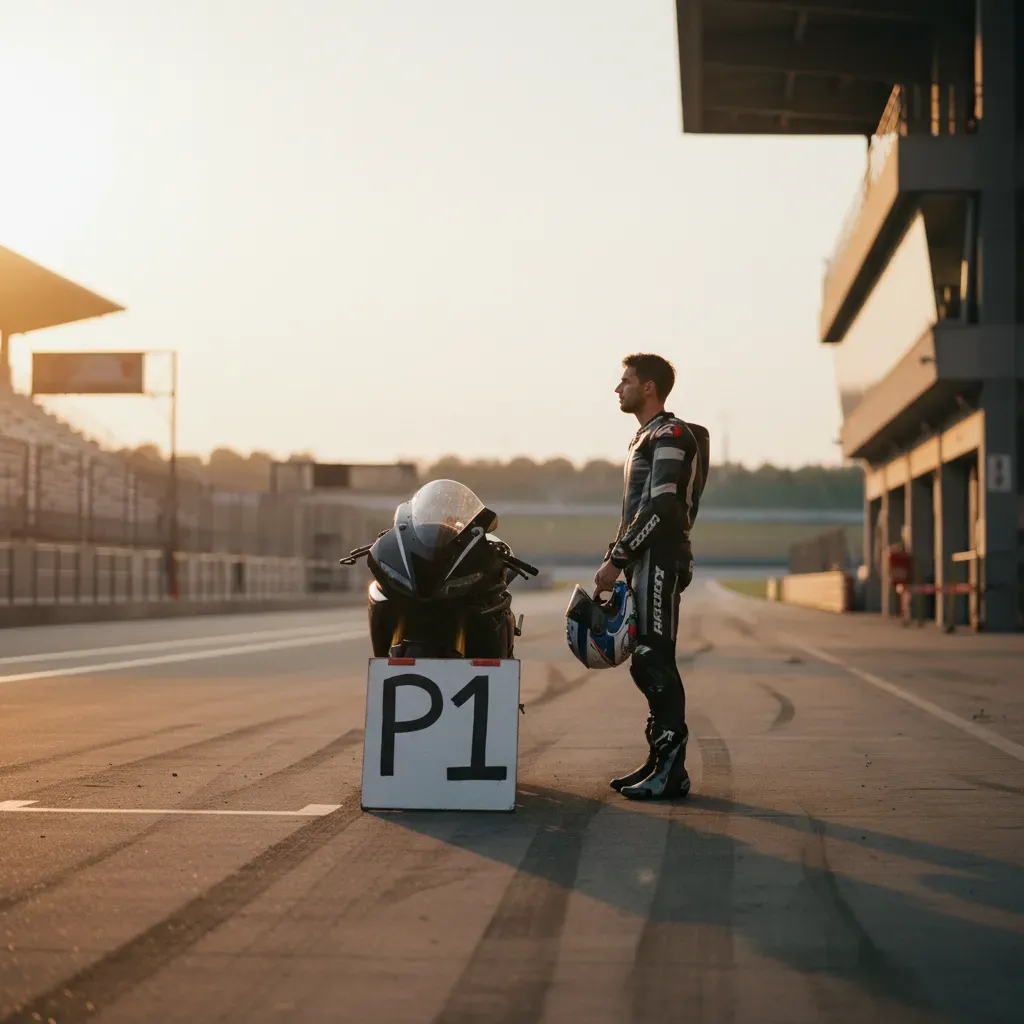
- What it is: Pole position is the first place (P1) on the starting grid for a MotoGP race.
- How it’s won: It’s awarded to the rider who sets the fastest single lap time during the final qualifying session (Q2) on Saturday.
- Why it matters: It provides a clear path to the first corner, avoids the chaos of the pack, and offers a significant psychological advantage.
- Is it a guarantee? No. A great qualifying lap doesn’t automatically mean a race win, but it puts a rider in the best possible position to achieve one.