Beginner Guides
MotoGP vs F1: Key Differences for New Fans
New to MotoGP from F1? Discover the key differences, from the rider’s physical role to the raw nature of the racing. Our beginner’s guide explains it all.
Welcome, Formula 1 Fans!
So, you’ve been captivated by the speed and strategy of Formula 1 and now you’re curious about its two-wheeled cousin, MotoGP. That’s fantastic! While both are the absolute pinnacle of motorsport, they offer completely different flavours of racing. Think of it this way: if F1 is a high-tech, strategic chess match, MotoGP is often a thrilling, bare-knuckle brawl.
This guide is for you, the F1 fan looking to understand what makes MotoGP so special. We’ll skip the jargon and break down the biggest differences, so you can get up to speed before the next race weekend.
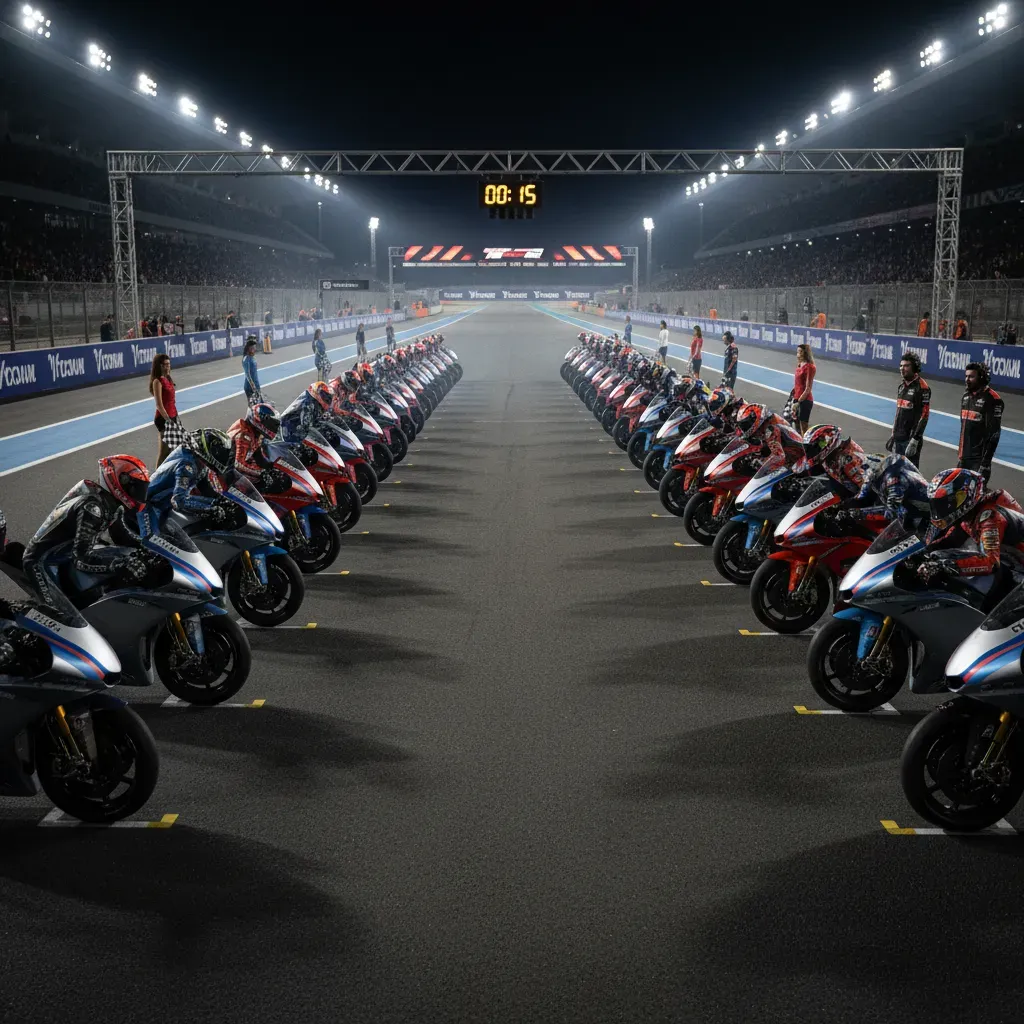
The Human Element: The Rider is the Machine
This is, without a doubt, the single biggest difference between the two sports. In an F1 car, the driver is strapped securely into a carbon-fibre safety cell. They steer, work the pedals, and manage the car’s systems, but their body is relatively static.
In MotoGP, the rider is a huge part of the machine’s performance. They aren’t just a passenger; they are an active, moving component. To turn the bike at speed, they must physically hang their body off the side, using their weight to help steer and balance the motorcycle. This is called the ‘Lean angleHow far the bike is tipped from vertical through a corner — MotoGP riders pass 60°.Read the full guide →’, and you’ll see riders tilting over so far their knees and elbows skim the tarmac.
The rider’s body also plays a crucial role in WingletsSmall wings on the bodywork that create downforce to keep the front wheel down and improve stability.Read the full guide →. On the straights, they tuck in tightly behind the small screen to reduce wind resistance. Under braking, they sit up to use their own body as an airbrake. A rider’s physical strength, flexibility, and stamina are tested every single second of the race in a way that is unique to motorcycle racing.
The Machines: Raw Power vs. Downforce Dominance
An F1 car is a marvel of aerodynamic engineering. Its wings and floor are designed to create ‘downforce’, which is essentially air pressure pushing the car down onto the track. This generates enormous grip, allowing for incredibly high cornering speeds.
A MotoGP bike has very little downforce in comparison. While you’ll see small ‘winglets’ on the front of modern bikes to help keep the front wheel down under acceleration, their grip comes almost entirely from two small contact patches – the parts of the tyres actually touching the road. This makes the bikes feel much more alive and, frankly, more rebellious.
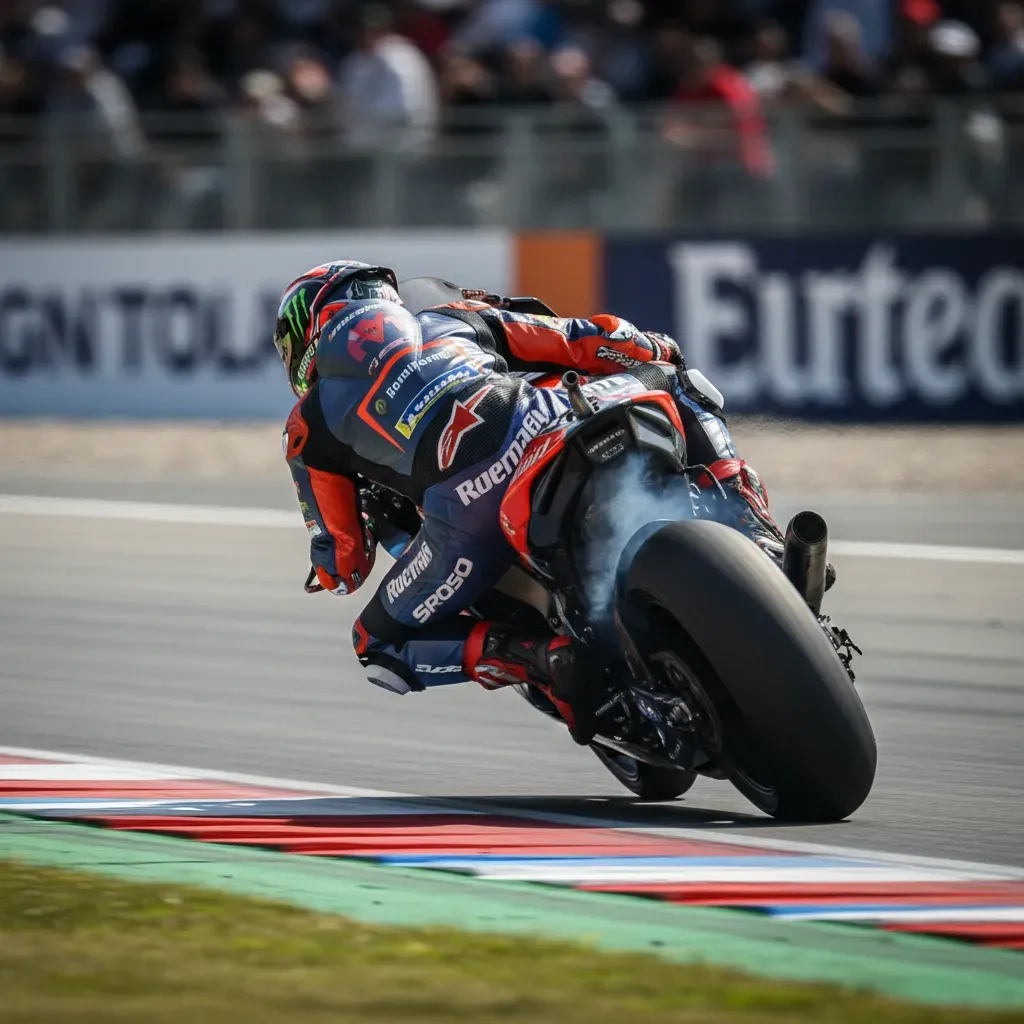
MotoGP bikes also have fewer electronic aids. While they have sophisticated ‘traction control’ (a system that helps prevent the rear tyre from spinning wildly under power) and ‘anti-wheelie’ systems, they are far less complex than an F1 car’s setup. There’s no power steering, no advanced active suspension, and the connection between the rider’s wrist and the rear wheel is incredibly direct.
The Racing: Close Combat vs. Strategic Warfare
The differences in the machines lead to a very different style of racing. Because MotoGP bikes are lighter and more agile, and don’t rely on clean air for aerodynamic grip, riders can follow each other much more closely. This results in more frequent overtaking and intense, wheel-to-wheel battles that can last for several laps.
F1 racing is often more strategic. Tyre wear, fuel management, and the timing of pit stops play a massive role in the outcome. Overtaking can be difficult, making QualifyingThe timed sessions that set the starting order, split into Q1 and Q2 for the front rows.Read the full guide → position and strategy paramount. MotoGP races, by contrast, are shorter Sprint raceA short Saturday race over half the distance, awarding points to the top nine finishers.Read the full guide → with no pit stops for fuel or tyres, placing the emphasis squarely on pure, aggressive racing from start to finish.
You’ll often see the lead change hands multiple times on the final lap of a MotoGP race, which is a rare treat in F1. The raw, unpredictable nature of the racing is a huge part of its appeal.
The Paddock: Family Feel vs. Corporate Giants
The scale of the operations is another key difference. An F1 team is a huge organisation, often employing over a thousand people with budgets running into the hundreds of millions of pounds. The PaddockThe fenced-off working area behind the pits where teams, hospitality and motorhomes are based.Read the full guide → are vast, corporate environments.
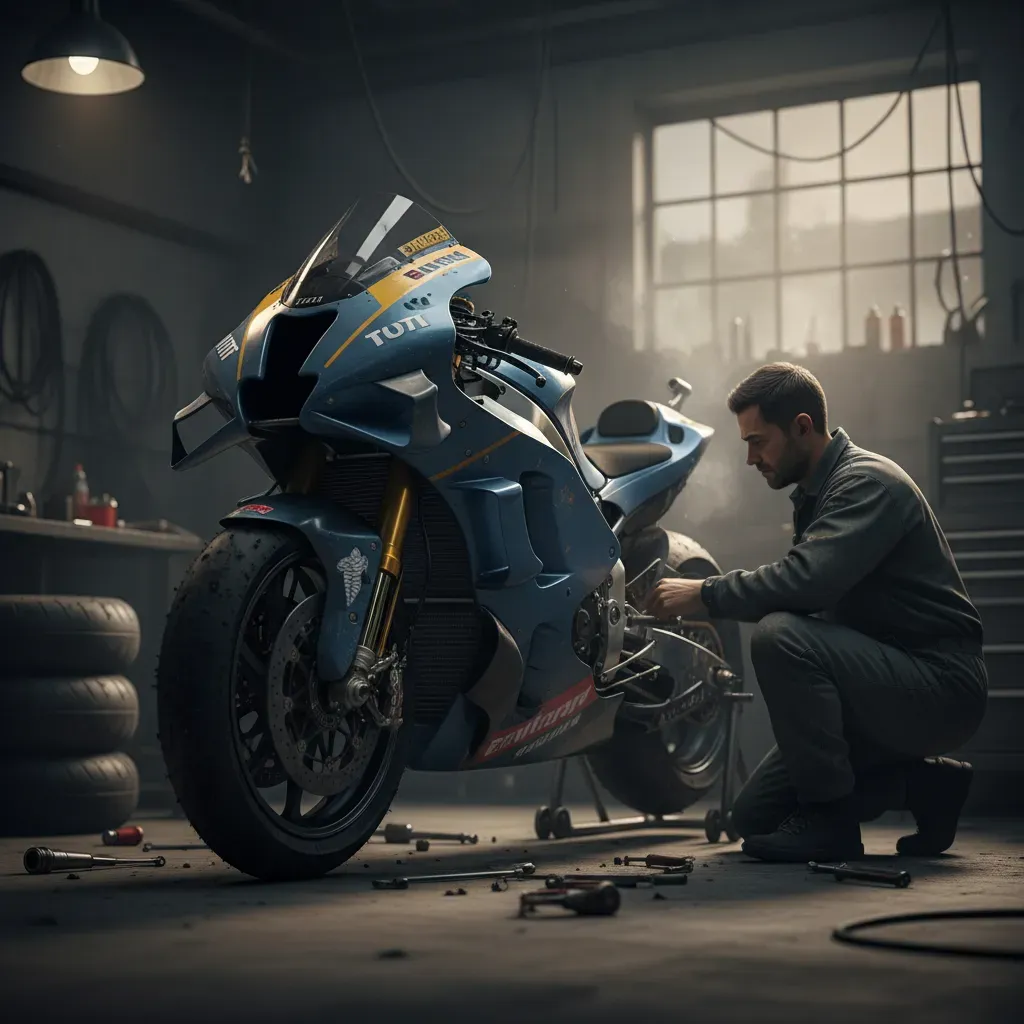
MotoGP teams are significantly smaller and operate on tighter budgets. A top-tier team might have a few dozen staff members. This creates a paddock atmosphere that feels a bit more like a travelling circus or a large family. While still fiercely competitive, there’s a level of accessibility and camaraderie that feels distinct from the high-stakes world of F1.
Shared Battlegrounds, Different Fights
One of the best ways to see the differences is to watch both series race at the same circuit, like Silverstone in the UK or the Circuit of the Americas (COTA) in the USA. You’ll notice immediately that the F1 cars are much, much faster through the high-speed corners thanks to their incredible downforce.
However, you’ll also see the MotoGP bikes braking later and accelerating with savage intensity out of the slower corners. Watching how each discipline tackles the same piece of tarmac is a fantastic way to appreciate the unique skills and engineering challenges of both sports. The lap times will be faster in F1, but the on-track spectacle of MotoGP is arguably more dramatic.
So, Which is Better?
Neither! They are both incredible sports that demand the highest levels of skill from their athletes and genius from their engineers. F1 is a stunning display of technology, strategy, and precision driving. MotoGP is a breathtaking showcase of rider bravery, physical prowess, and raw, unfiltered racing.
If you love the strategic depth and technological marvels of F1, you’ll find a new appreciation for the pure, visceral thrill of MotoGP. Welcome to the show – we think you’re going to like it here.
Quick Takeaways
- The Rider’s Role: In MotoGP, the rider is a dynamic part of the bike, using their body for steering, balance, and aerodynamics, unlike an F1 driver who is strapped inside the car.
- The Racing Action: MotoGP bikes can race closer together, leading to more frequent overtakes and wheel-to-wheel battles. F1 is often more focused on pit strategy and tyre management.
- Technology & Aids: F1 cars are dominated by aerodynamics and ‘downforce’ for grip. MotoGP bikes rely purely on mechanical and tyre grip, with far fewer electronic aids for the rider.
- Team & Scale: MotoGP teams are much smaller and operate on lower budgets than the massive corporate structures of Formula 1, creating a different paddock atmosphere.