Tracks
Thai GP Guide: A Beginner’s Look at the Buriram Race
Your jargon-free guide to the Thailand MotoGP at Buriram. Discover the circuit, key corners, and why the heat makes this race so challenging. Perfect for new fans!
Thai Grand Prix
Chang International Circuit
A stop-and-go modern circuit built around long straights and hard braking zones — the season-opener, and a track that rewards a strong engine and steady nerves.
Schematic layout · not to scale
Watch the braking into Turn 3. The bikes hit their highest speed down the back straight, then stand the bike on its nose for the tight right — it's the best overtaking spot on the lap. If you follow one corner, follow that one.
Welcome to the Furnace: An Introduction to Buriram
Imagine racing a 200-mph rocket in a sauna. That’s the Thailand Grand Prix. Held at the Chang International Circuit in the province of Buriram, this race is famous for one thing above all else: punishing heat and humidity.
For the riders, it’s one of the most physically demanding events on the entire calendar. For the fans, it’s an incredible spectacle of colour, noise, and passionate support in a part of the world that absolutely adores motorcycle racing.
Location and Atmosphere: The Heart of Thai Motorsport
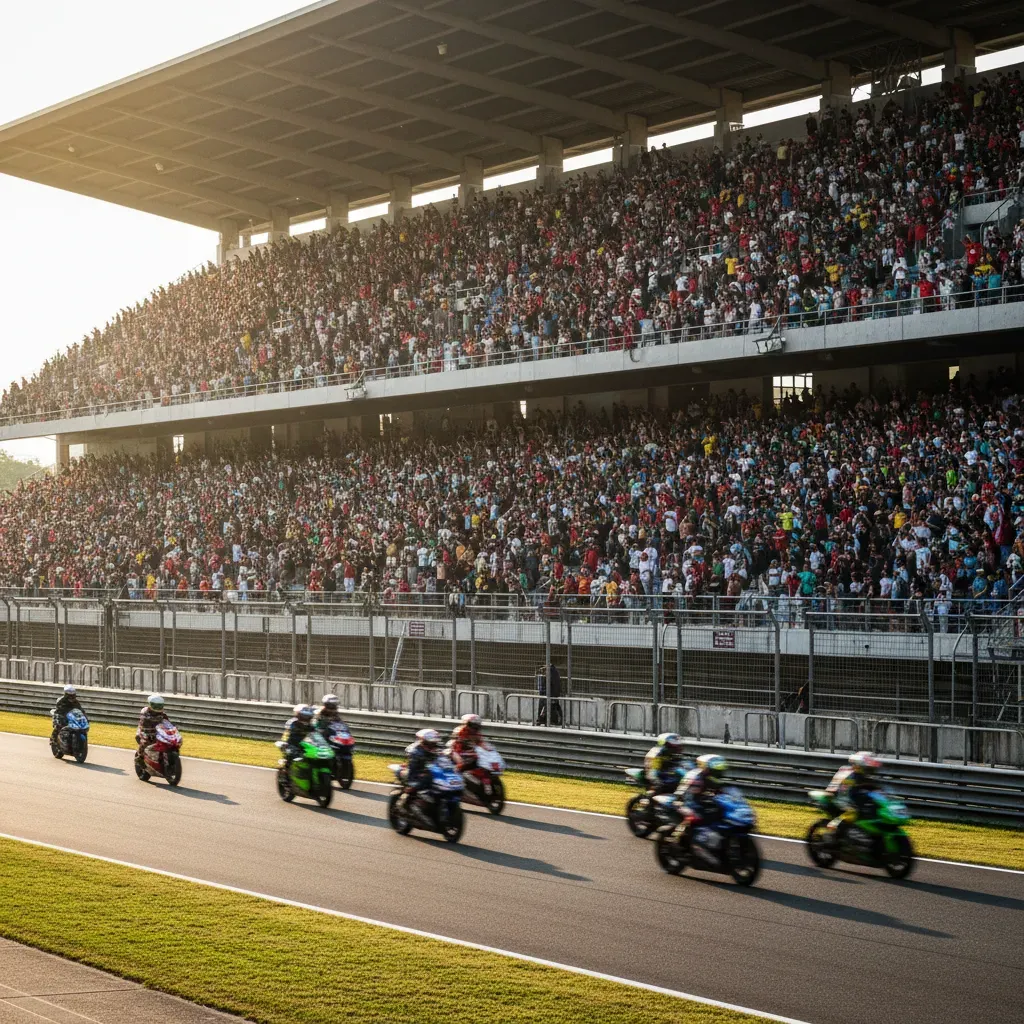
Buriram, which translates to ‘city of happiness’, is in a rural part of northeastern Thailand. The circuit itself is a modern marvel, built in 2014, and has quickly become a favourite for its electric atmosphere.
The local support is immense. The grandstands are packed with fans who bring an infectious energy, cheering for every rider. It’s a vibrant, friendly, and loud celebration of two-wheeled sport, making it a truly unique experience on the MotoGP tour.
The Circuit: A Tale of Two Halves
At first glance, the Chang International Circuit looks simple. It’s dominated by two enormous straights, connected by a handful of slow corners. Think of it like a paperclip with a twisty bit at the end. This design creates a very specific style of racing: massive speed followed by incredibly hard braking.
The first two-thirds of the lap are all about engine power and WingletsSmall wings on the bodywork that create downforce to keep the front wheel down and improve stability.Read the full guide →. Riders tuck in, trying to be as small as possible to slice through the air. The final third, however, is a tight and technical sequence of corners where rider skill and a bike’s agility become crucial. This contrast is what makes the racing so exciting.
Turn 3: The First Big Stop
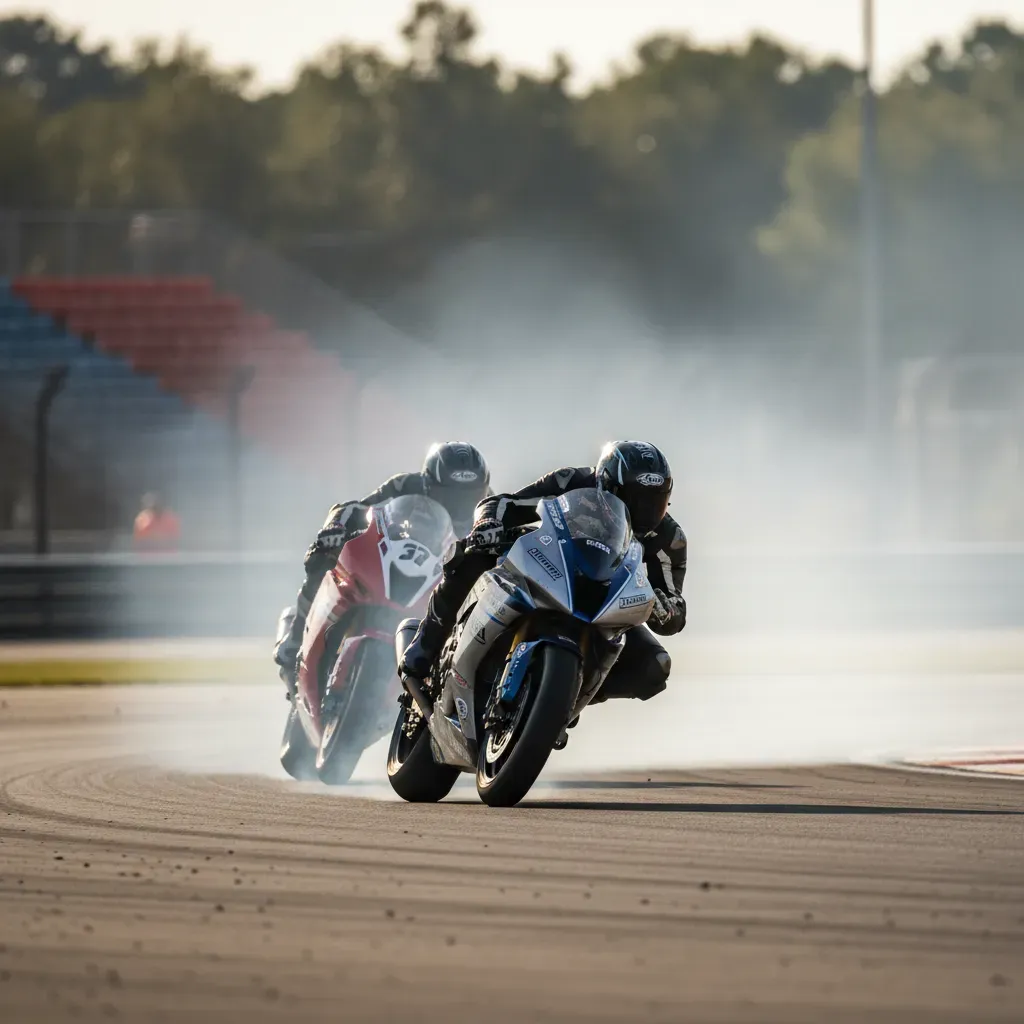
After blasting down a kilometre-long straight, riders have to slam on the brakes for Turn 3. This is a classic hairpin, which is just a very tight corner that almost doubles back on itself, like the pin in a bobby pin.
This is a prime overtaking spot. Riders will often use the SlipstreamThe pocket of calmer air directly behind another bike. Sitting in it means less wind resistance — so you can carry more speed for free.Read the full guide → – a pocket of clean air created behind a leading bike that reduces drag and gives a speed boost – to pull alongside their rival down the straight. The challenge is then to brake later than them to get into the corner first, without overshooting and running wide. It’s a high-stakes game of chicken at nearly 200 mph.
The Final Corner: A Race-Winning Move
Just like Turn 3, the final corner (Turn 12) follows a long straight. This means it’s the last, best chance for a rider to make a move for victory on the final lap. We have seen many races won and lost right here.
Riders approach at incredible speed before braking hard for the tight right-hander that leads back onto the start-finish straight. A clean exit is vital, but the temptation to dive up the inside of a rival is huge. Expect drama here right up until the chequered flag.
What to Expect on Race Day
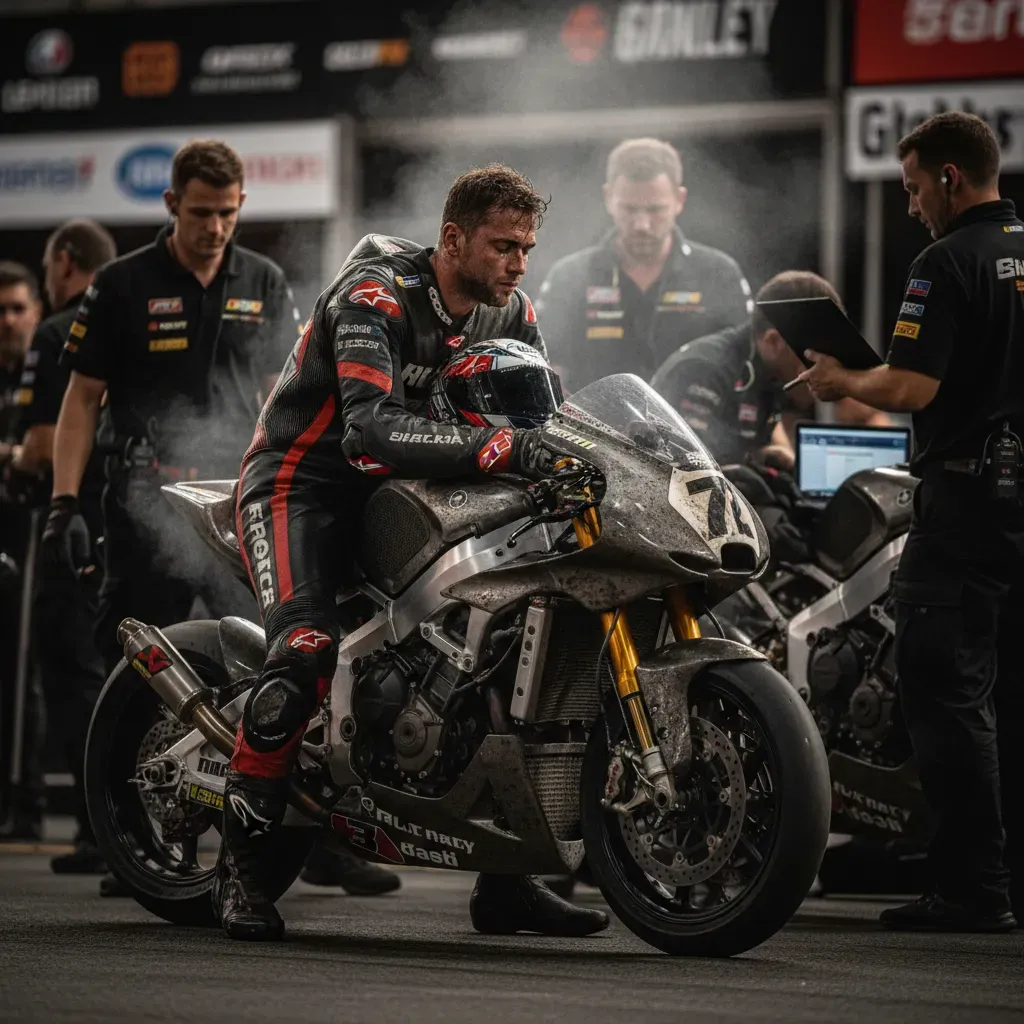
The defining characteristic of the Thai GP is physical endurance. Riders can lose up to three kilograms of body fluid through sweat during the race. The intense heat doesn’t just affect the humans; it puts immense strain on the machines, especially the tyres and brakes.
The stop-start nature of the track—going from full throttle to first gear—means the brakes get incredibly hot. Teams have to use special cooling ducts to prevent them from failing. This combination of heat, physicality, and mechanical stress makes simply finishing the race a huge achievement.
The layout encourages close racing. The long straights allow riders to line up passes, leading to thrilling battles where riders brake as late as they dare. It’s a test of bravery as much as it is of speed.
Tips for Watching Your First Thai GP
One of the best things about the Chang International Circuit is how fan-friendly it is. The main grandstand is enormous and offers a panoramic view of almost the entire track. From one seat, you can see the bikes disappear down the back straight and reappear as they fight through the final complex of corners.
When you’re watching on TV, pay close attention to the onboard cameras on the two long straights. You’ll see riders using the slipstream to close gaps. Then, watch for the plumes of brake dust and the bikes squirming as they shed speed for Turn 3 and Turn 12. These are the moments where the race is often decided.
Quick Takeaways
- The Thailand GP is one of the hottest and most physically demanding races of the year for the riders.
- The circuit layout is defined by two very long straights followed by slow, tight corners, creating a ‘stop-start’ rhythm.
- The best places for overtaking are the heavy braking zones into the Turn 3 hairpin and the final corner, often leading to last-lap drama.
- The massive main grandstand is a unique feature, giving spectators a view of nearly the entire circuit.