Beginner Guides
MotoGP Qualifying vs Practice: Setting the Grid
Ever wondered what happens before the lights go out? Discover the difference between MotoGP Practice and the high-stakes battle of Qualifying.
The Most Important Saturday in Racing
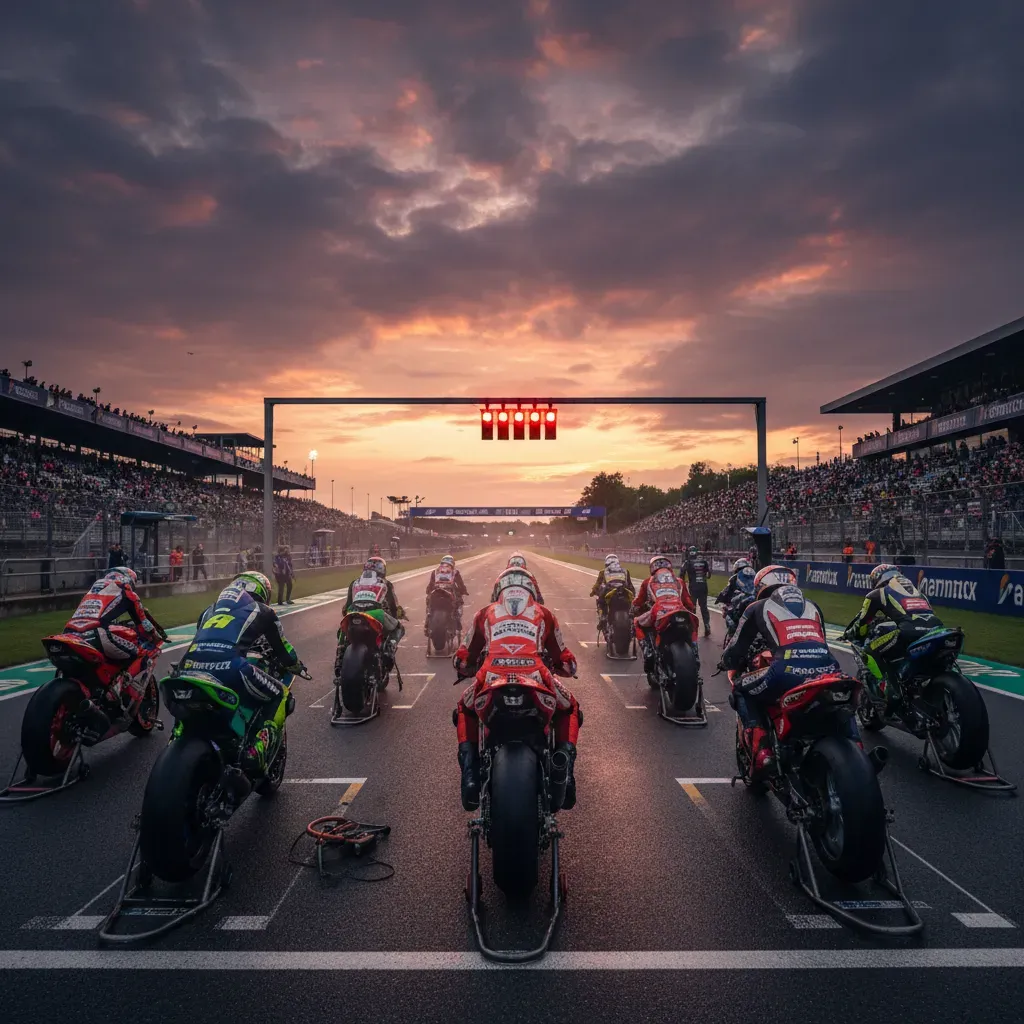
When you tune in to watch a MotoGP race on Sunday, you see the riders lined up in a neat grid, three-by-three, ready for battle. But how did they get those positions? Why is one rider at the very front while another is stuck in the middle of the pack? The answer lies in the thrilling, high-stakes drama that unfolds on Saturday: QualifyingThe timed sessions that set the starting order, split into Q1 and Q2 for the front rows.Read the full guide →.
Understanding the difference between PracticeSessions before qualifying where riders set up the bike; the combined times decide who goes straight to Q2.Read the full guide → and Qualifying is the key to unlocking the whole race weekend. One is about careful preparation and learning; the other is a flat-out, breathtaking Sprint raceA short Saturday race over half the distance, awarding points to the top nine finishers.Read the full guide → for glory. Let’s break it down.
The Homework Session: What is Practice?
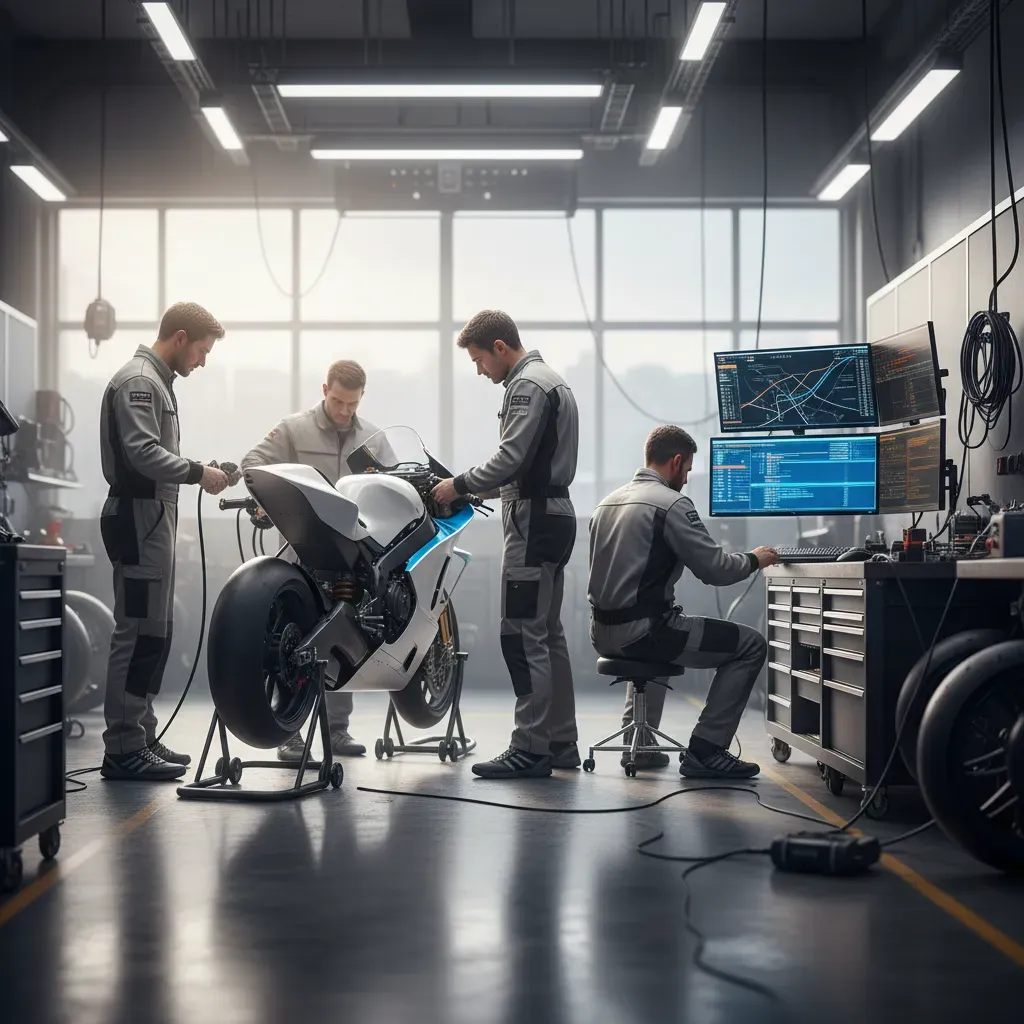
Before the riders can even think about going fast, they need to do their homework. This is what the Practice sessions, held on Friday and early Saturday, are all about. It’s not just about learning which way the track goes; it’s a highly technical exercise in finding the perfect harmony between rider, motorcycle, and circuit.
During these sessions, the teams are working tirelessly. They adjust the bike’s setup – things like the suspension and electronics – to suit the unique bumps and corners of that specific track. A bike that worked perfectly in Italy might feel completely wrong in Japan, so this fine-tuning is vital.
They also test different tyres. Riders are given a selection of tyres with different rubber compounds, from soft (more grip, but wears out faster) to hard (less grip, but more durable). They need to figure out which combination will give them the best performance for both a single fast lap and for the entire race distance. This is all about finding a consistent, repeatable speed known as ‘race pace’.
The Final Exam: What is Qualifying?
If Practice is the homework, Qualifying is the final exam where your score determines your starting position. All the data and learning from Practice gets put to the test in a short, intense session where one thing matters above all else: pure, outright speed over a single lap.
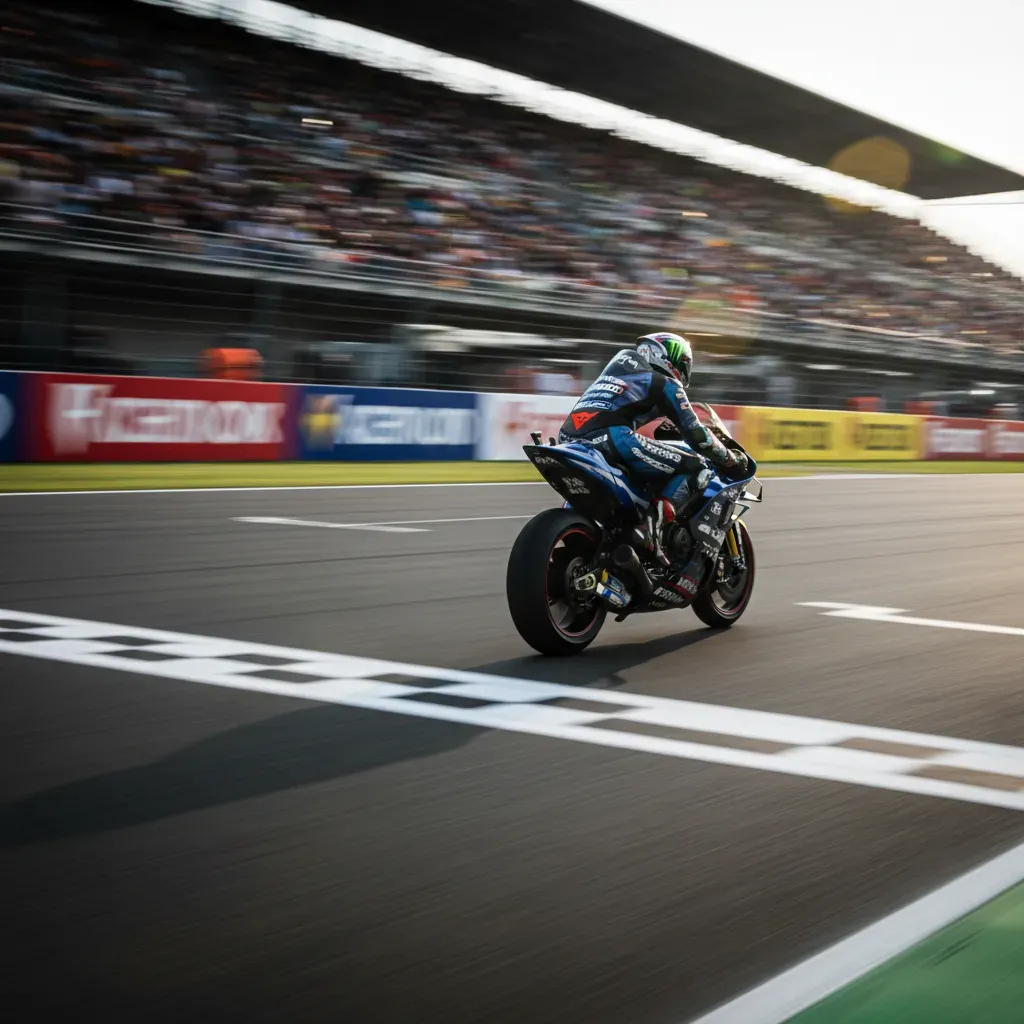
In Qualifying, riders go out on the softest, grippiest tyres and with the bike tuned for maximum performance. Their goal is to set the fastest time they possibly can on a flying lap – a lap where they cross the start/finish line already at full speed. This single lap time will decide where they start for both the Saturday Sprint race and the main Sunday Grand Prix.
There is no time for careful testing here. It’s a nail-biting, all-or-nothing blast where riders push themselves and their machines to the absolute limit. A tiny mistake can be the difference between starting at the front and being buried in the pack.
The Two-Part Drama: Q1 and Q2 Explained
To make things even more exciting, Qualifying is split into two parts. Which session a rider goes into is decided by their combined lap times from the final Practice sessions. It works like this:
Q1: The Fight for a Second Chance
The ten fastest riders from Practice get a golden ticket straight into the main event, Q2. Everyone else, from 11th place downwards, has to go into Q1 (Qualifying 1). This is a tense, 15-minute shootout where riders who have been struggling for speed fight for a second chance.
Only the two fastest riders in Q1 get to ‘graduate’ and move on to the next session. For everyone else, their qualifying is over, and their grid position is set. This session is often filled with big names who might have had a crash in Practice or are struggling with their bike’s behaviour.
For example, imagine a top rider like Fabio Quartararo is getting used to a brand new engine on his Yamaha. He might spend Practice just trying to make the bike feel comfortable and finish 12th fastest. This means he’d have to face the immense pressure of Q1, needing to be in the top two just to get a shot at fighting for the front row.
Q2: The Battle for Pole Position
This is the grand finale. Q2 (Qualifying 2) is a 15-minute session featuring the top 10 riders from Practice plus the two who just survived Q1. These 12 riders now fight it out for the top 12 spots on the grid.
The rider who sets the single fastest lap in this session earns the ultimate prize: Pole positionFirst place on the starting grid, earned by the fastest qualifying lap.Read the full guide →. This is the very first spot on the starting grid, the best seat in the house. It offers a clear track ahead and the best possible chance to lead the race from the very beginning. The riders who are second and third fastest join the polesitter on the prestigious front row.
Why It All Matters
A good qualifying position is absolutely critical in modern MotoGP. Starting from the front row gives a rider a massive advantage, allowing them to escape the chaos of the midfield pack where accidents are more likely to happen.
With the introduction of the shorter Sprint race on Saturdays, a good grid spot is now doubly important. A strong performance in that 15-minute Q2 session can set a rider up for a successful weekend, giving them the best chance to score points and stand on the podium in both races. It turns Saturday afternoon from a simple time trial into one of the most exciting spectacles in motorsport.
Quick Takeaways
- Practice is for Preparation: Riders use Practice sessions to test bike setups, choose the right tyres, and find a consistent race pace.
- Qualifying is for Speed: Qualifying is an all-out battle to set the fastest possible time over a single lap, which determines the starting grid.
- It’s a Two-Part Session: Riders outside the top 10 in Practice go to Q1. Only the top two from Q1 advance to join the fastest 10 in the main Q2 shootout.
- Pole Position is the Goal: The fastest rider in Q2 earns pole position – the first spot on the grid for both the Sprint and the main Grand Prix.